Outstanding Award Winner
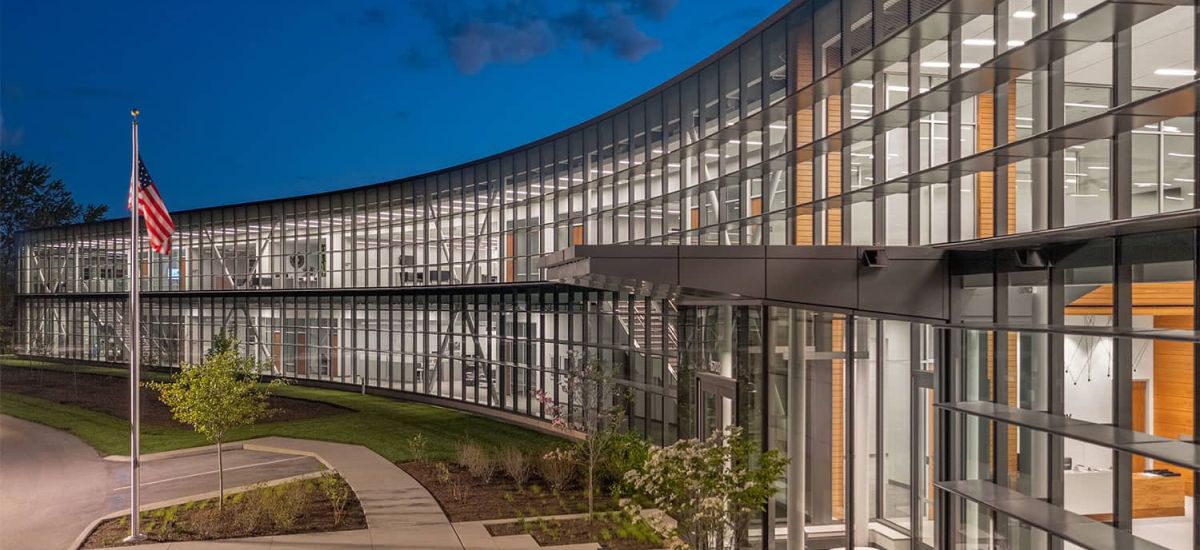
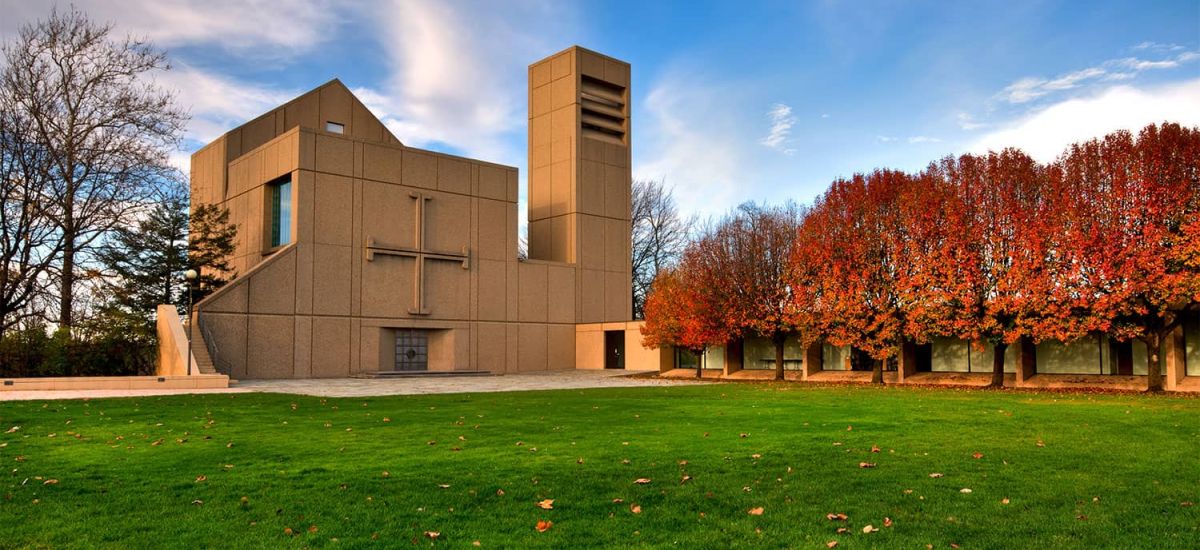
Project Name: Janet Prindle Institute for Ethics
Project Architect: CSO Architects
Project Description: This sustainably designed building resulted in the Prindle Institute realizing its mission to provide a contemplative, responsible, and inspiring setting in which to reflect deeply on ethical issues of our time and has become the first new building in Indiana to achieve Gold level LEED certification.
|
|
Merit Award Winner
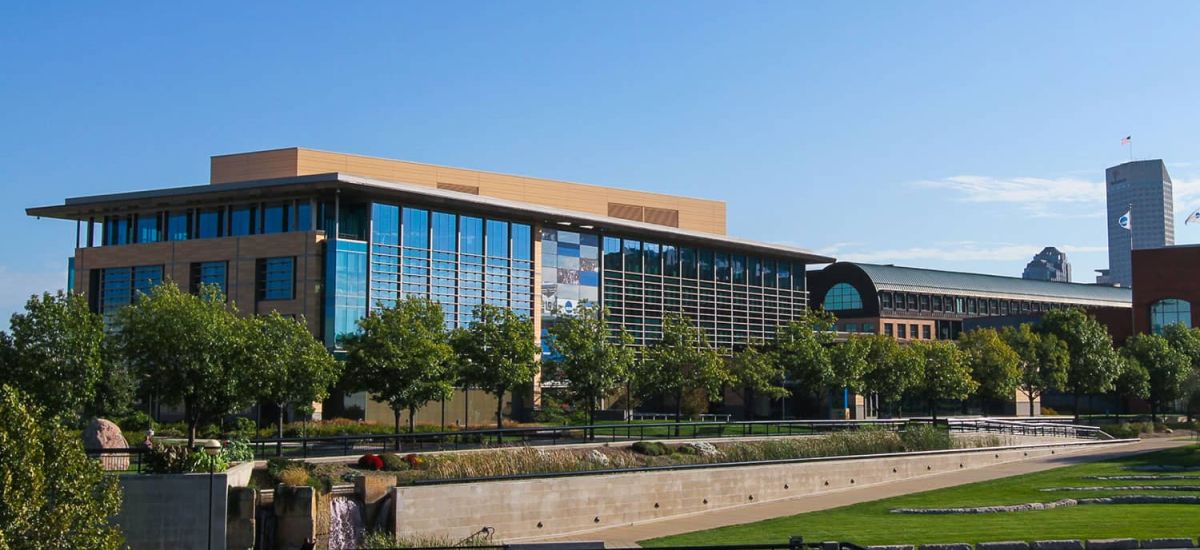
Project Name: Purdue University Neil Armstrong Hall of Engineering
Project Architect: RATIO Architects, Inc
Project Description: As a leader in education and research, Purdue University had high aspirations for this new gateway to engineering, the Neil Armstrong Hall of Engineering. They desired a new campus building that not only embodied the timeless qualities of the campus, but also symbolized the new learning paradigms of this millennium.
|
|
Citation Award Winner
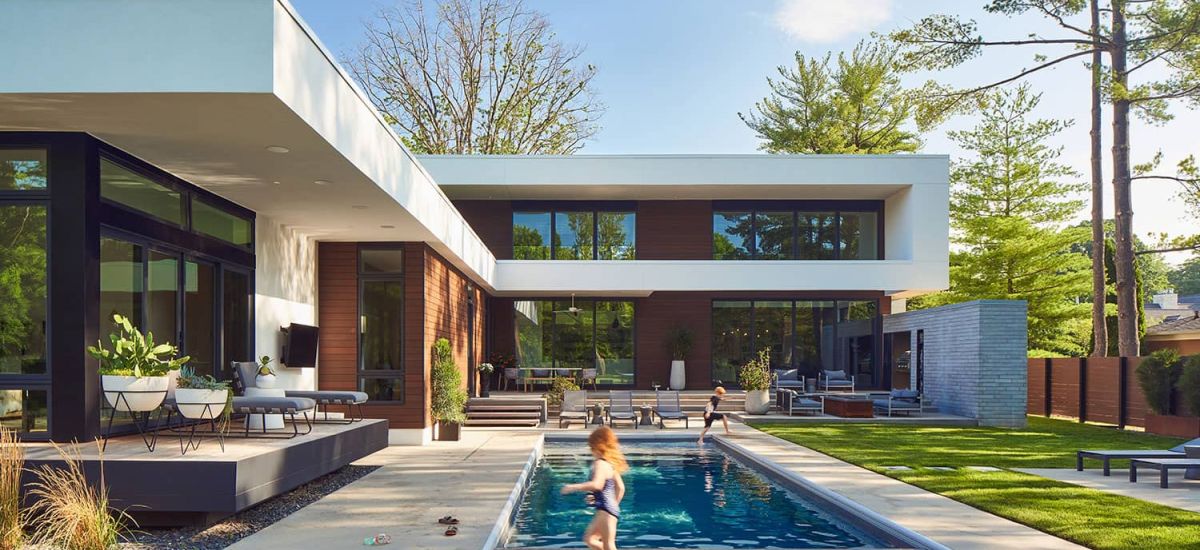
Project Name: House M
Project Architect: J.W. McQuiston Architecture + Interior Design
Project Description: The design was to provide a new living, entertaining and private quarters in a 1917 gambrel-roofed country house that was in an advanced state of disrepair. The Architect was responsible for the design of the structure, landscape, interiors including several custom furniture and rug designs, and coordination with artists.
|
|
Citation Award Winner
Project Name: Ball State University Eco Center
Project Architect: Timothy Gray, AIA, LEED AP Faculty Director Design / Build Electives Department of Architecture Ball State University
Project Description: The Eco Center is intended to promote awareness of issues related to sustainable development to a broad audience which includes University students, grade school students, building professionals and the general public. The project was designed, documented and constructed in collaboration with three separate interdisciplinary groups of University Students, and was initially funded with a $10,000 grant from the Environmental Protection Agency. The Eco Center, now complete after raising close to $60,000 through a combination of grants, donations and industry partnerships, represents the first load bearing straw bale building as well as one of the first carbon - neutral public facilities in the region. The project generates all of its own power and monitors the performance of alternative energy systems on site, including photovoltaic, solar hot water and wind power.
|
|